- Home
- Logistics Regions
Germany's Top Logistics Regions
Twenty-five regions, from Hamburg and Bremen through Rhine-Ruhr and Rhine-Main to Leipzig/Halle and Munich. For each region: access, demand sectors, clusters and outlook, as a basis for location decisions by occupiers and investors.
 AI-generated
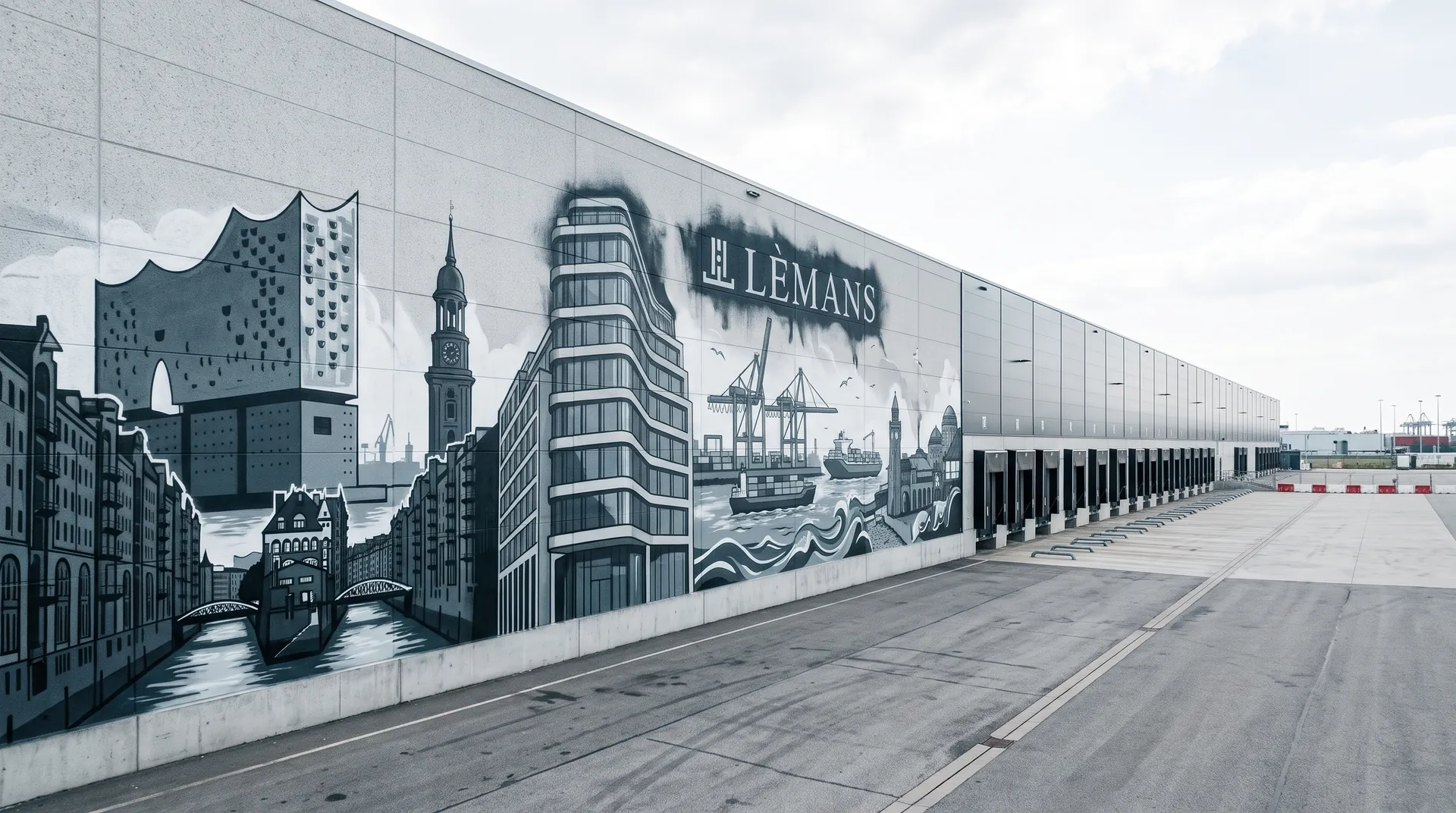
Hamburg
Hamburg is Germany's largest seaport and the logistics gateway to Scandinavia, Eastern Europe and overseas markets. Port activity, foreign trade and an affluent metropolitan region keep demand ahead of available space.
 AI-generated
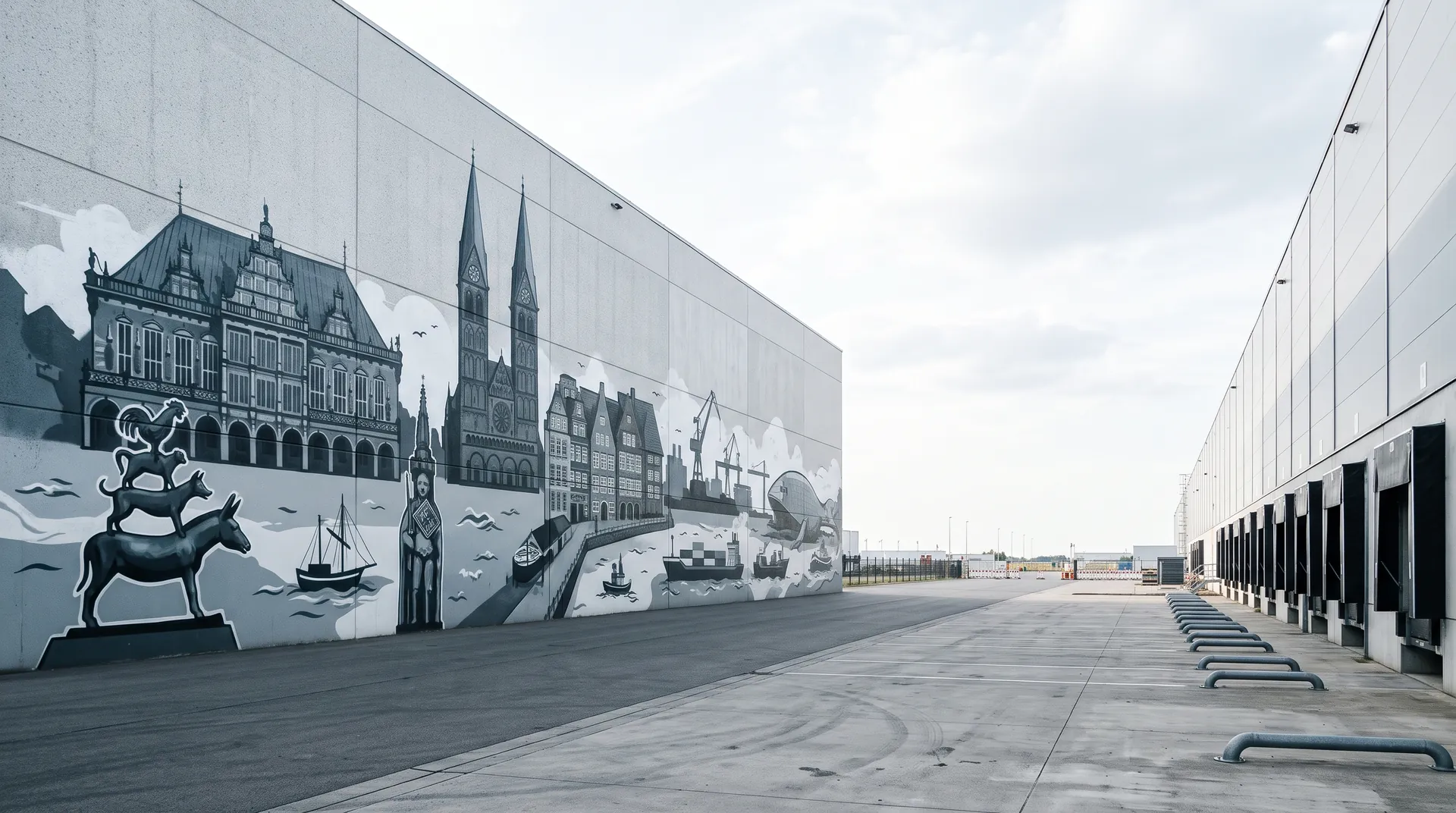
Bremen
Bremen and Bremerhaven form one of Germany's leading port and logistics locations, handling international container and automotive traffic. Compared with Hamburg, the region offers more available land with trimodal access.
 AI-generated
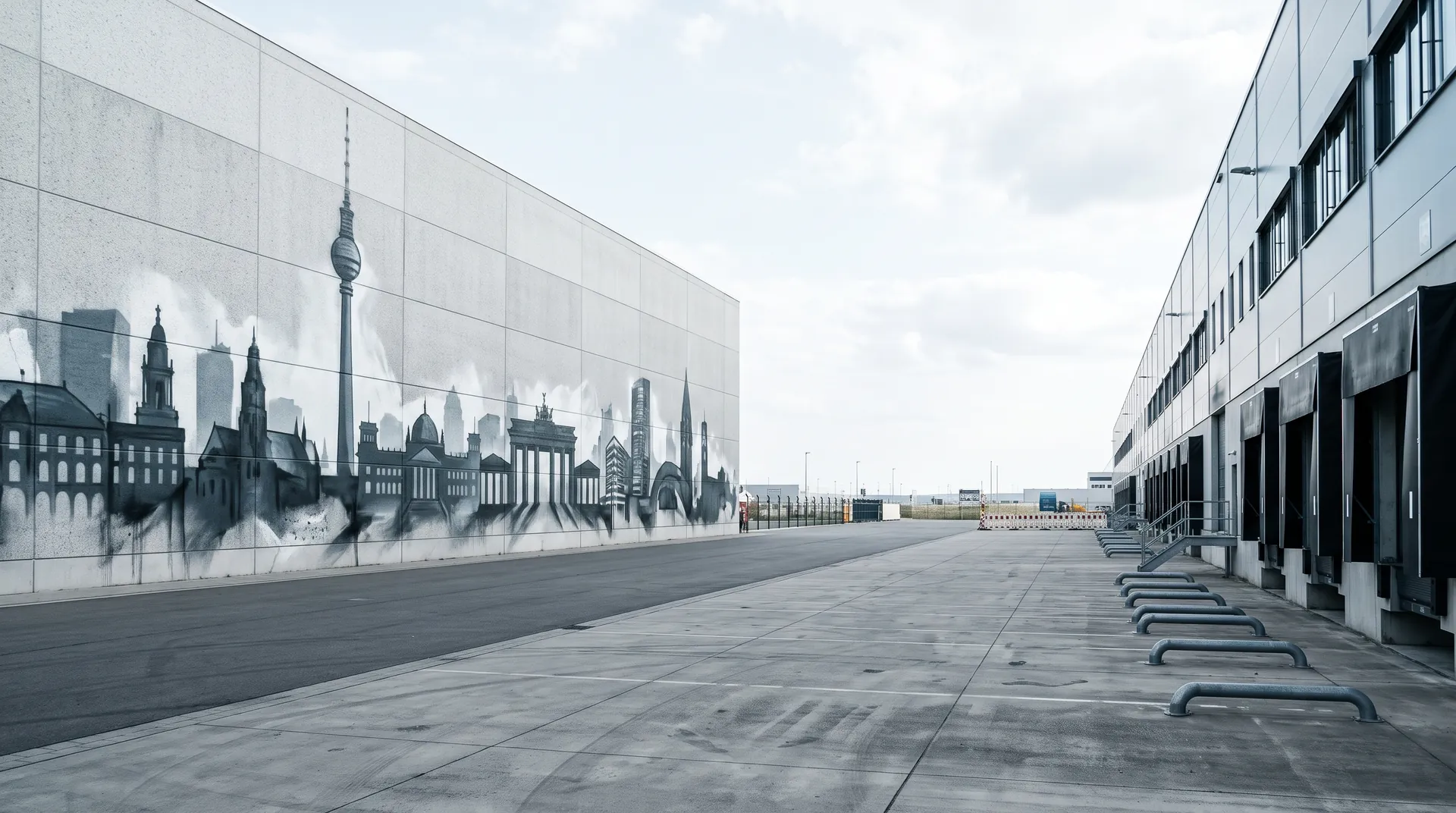
Berlin
The Berlin-Brandenburg capital region combines a consumer market of more than six million people with a bridging role towards Central and Eastern Europe. Retail, e-commerce and urban distribution shape demand.
 AI-generated
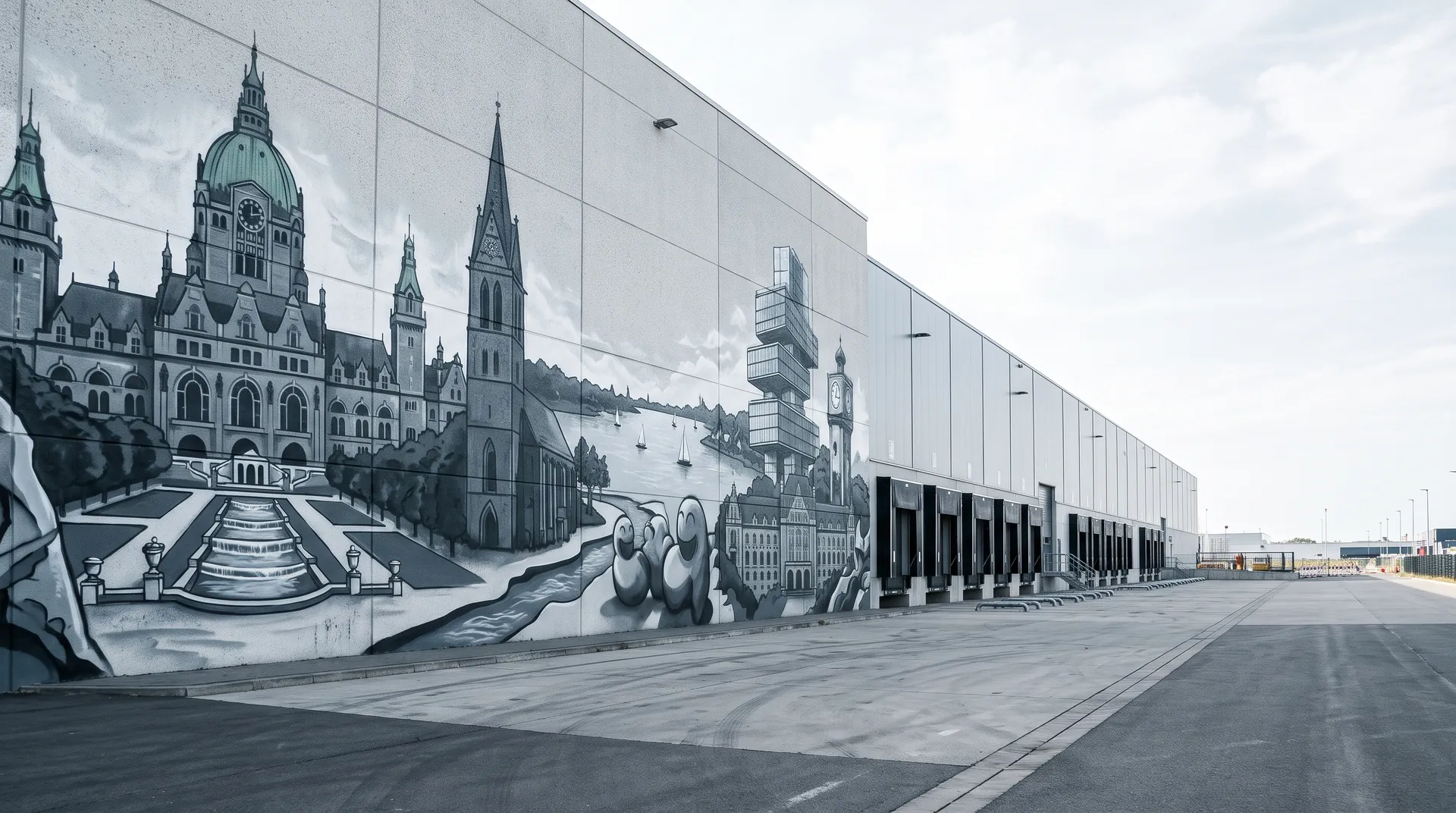
Hanover
Hanover sits at the crossing of Germany's main east-west and north-south routes. The North Sea ports, Berlin, the Ruhr and Rhine-Main are within a few hours, making the region a pivot of national supply chains.
 AI-generated
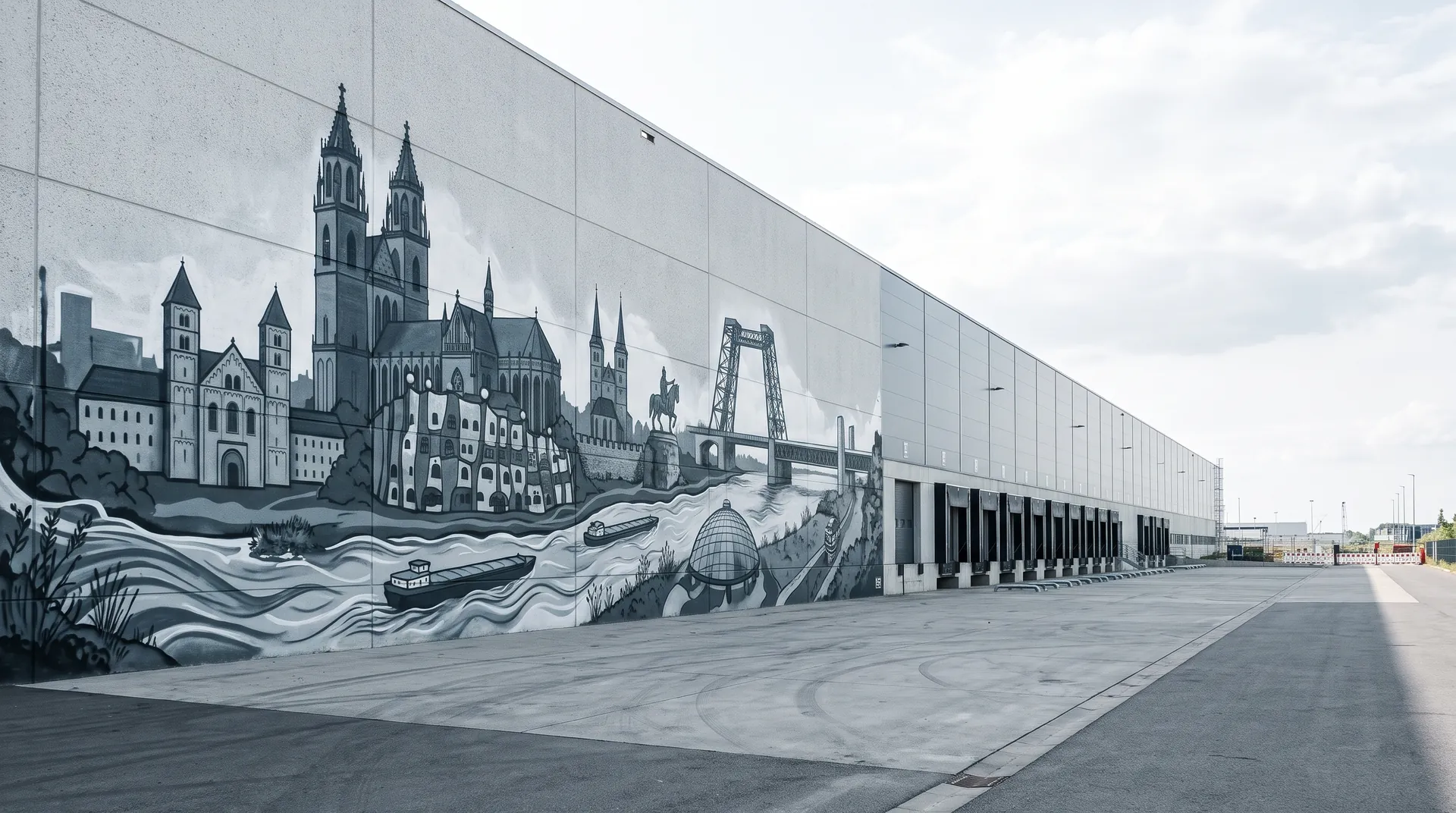
Magdeburg
Magdeburg lies in the triangle between Berlin, Hamburg and Leipzig, where the A2 and A14 meet the Elbe, the Mittelland Canal and the Elbe-Havel Canal. Retail and e-commerce shape the market, and unlike many top regions there is still land for larger developments.
 AI-generated
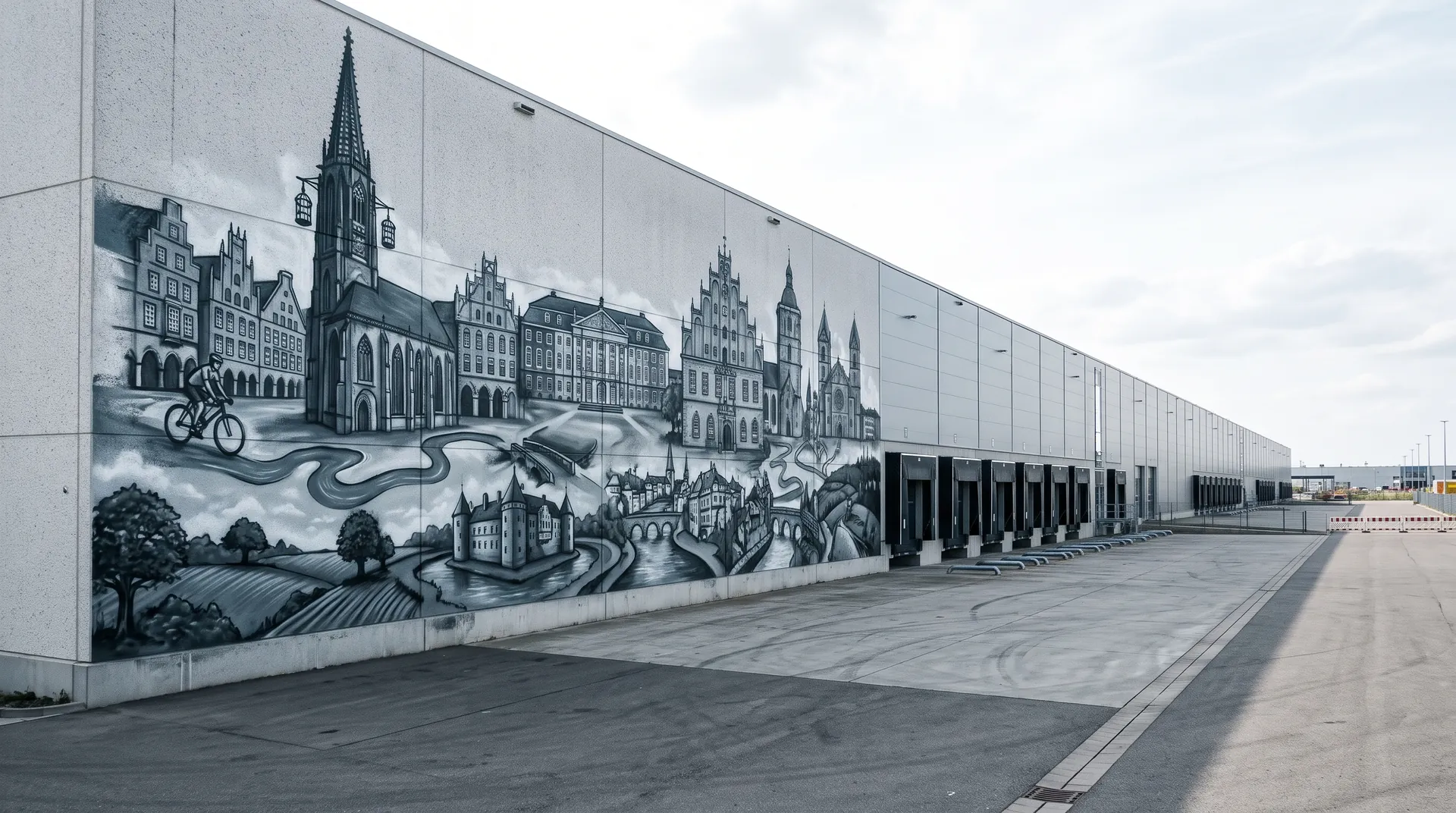
Münster/Osnabrück
Münster/Osnabrück links the A1 Hansalinie with the east-west A30 between Benelux, the Ruhr and northern Germany. A strong food industry, automotive and engineering plus a long-established forwarding sector shape the market, while land and rents sit below metropolitan levels.
 AI-generated
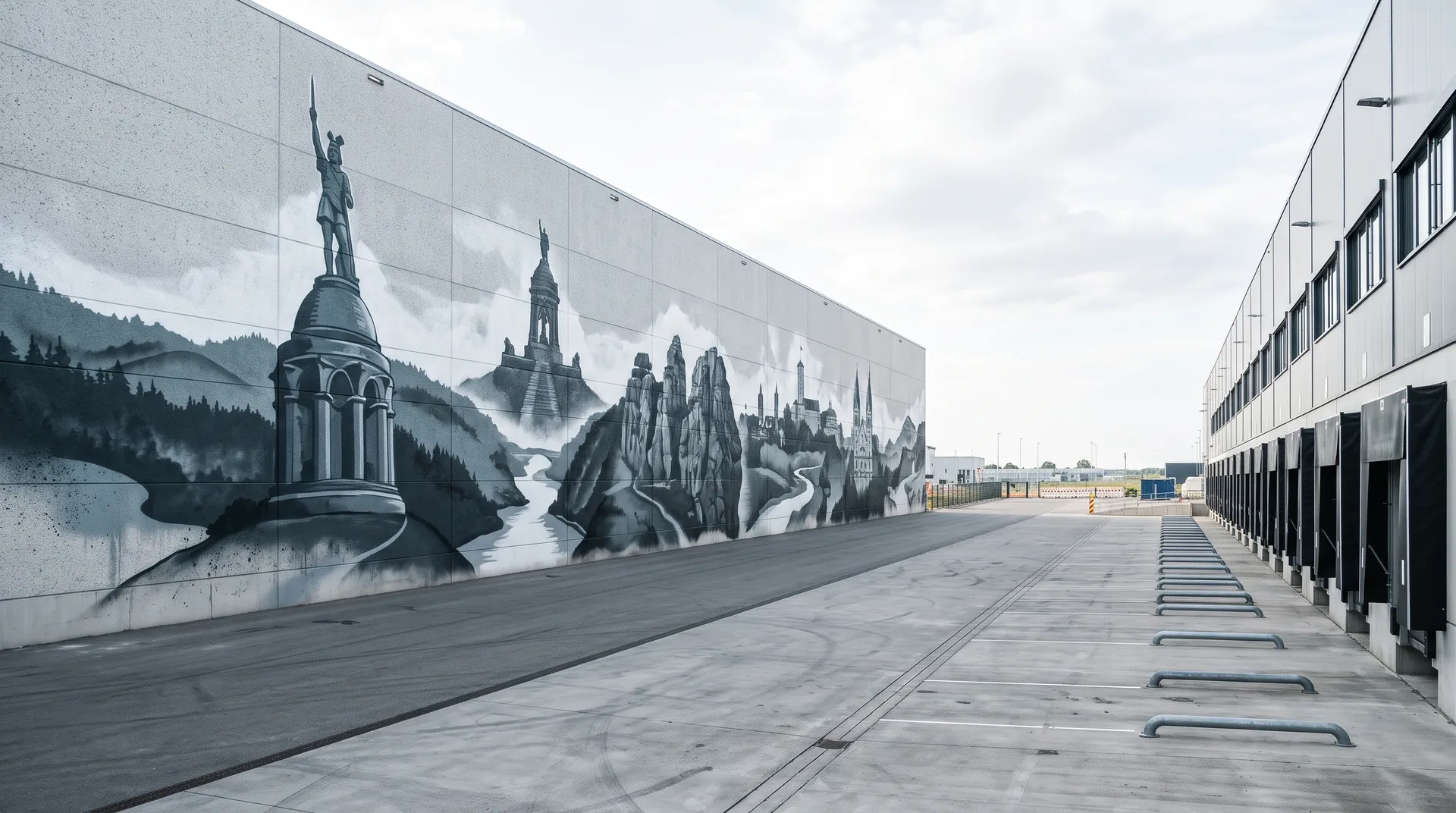
East Westphalia-Lippe
East Westphalia-Lippe combines a Mittelstand industry with many global market leaders and an excellent position on the main routes between the Ruhr and Hanover. Land availability and rents are more moderate than in the major conurbations.
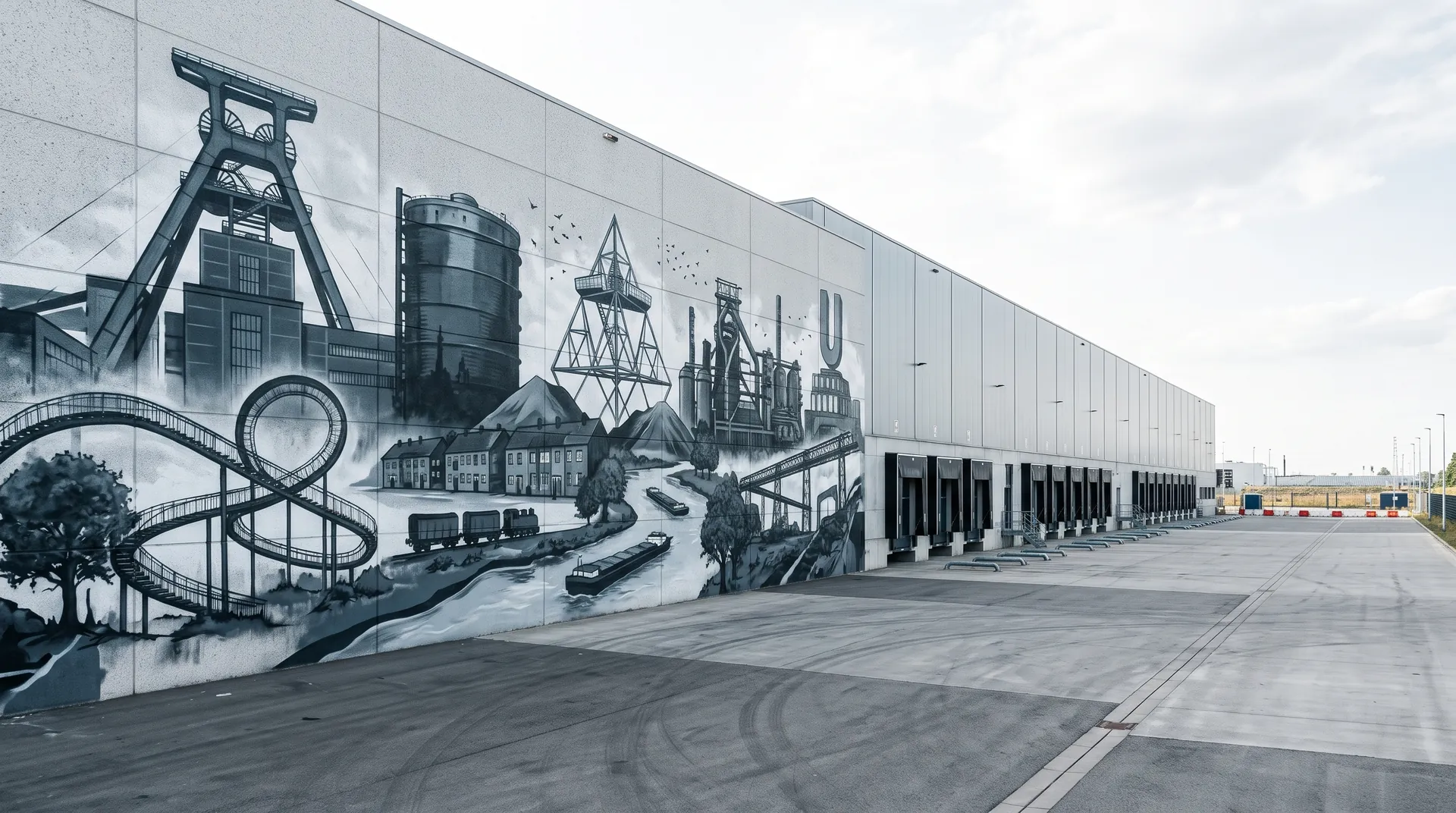 AI-generated
Ruhr
The Ruhr is one of Germany's largest and most diverse logistics markets. Around five million inhabitants, the country's densest motorway network and the Port of Duisburg, one of the world's largest inland ports, combine a major consumer market with European reach.
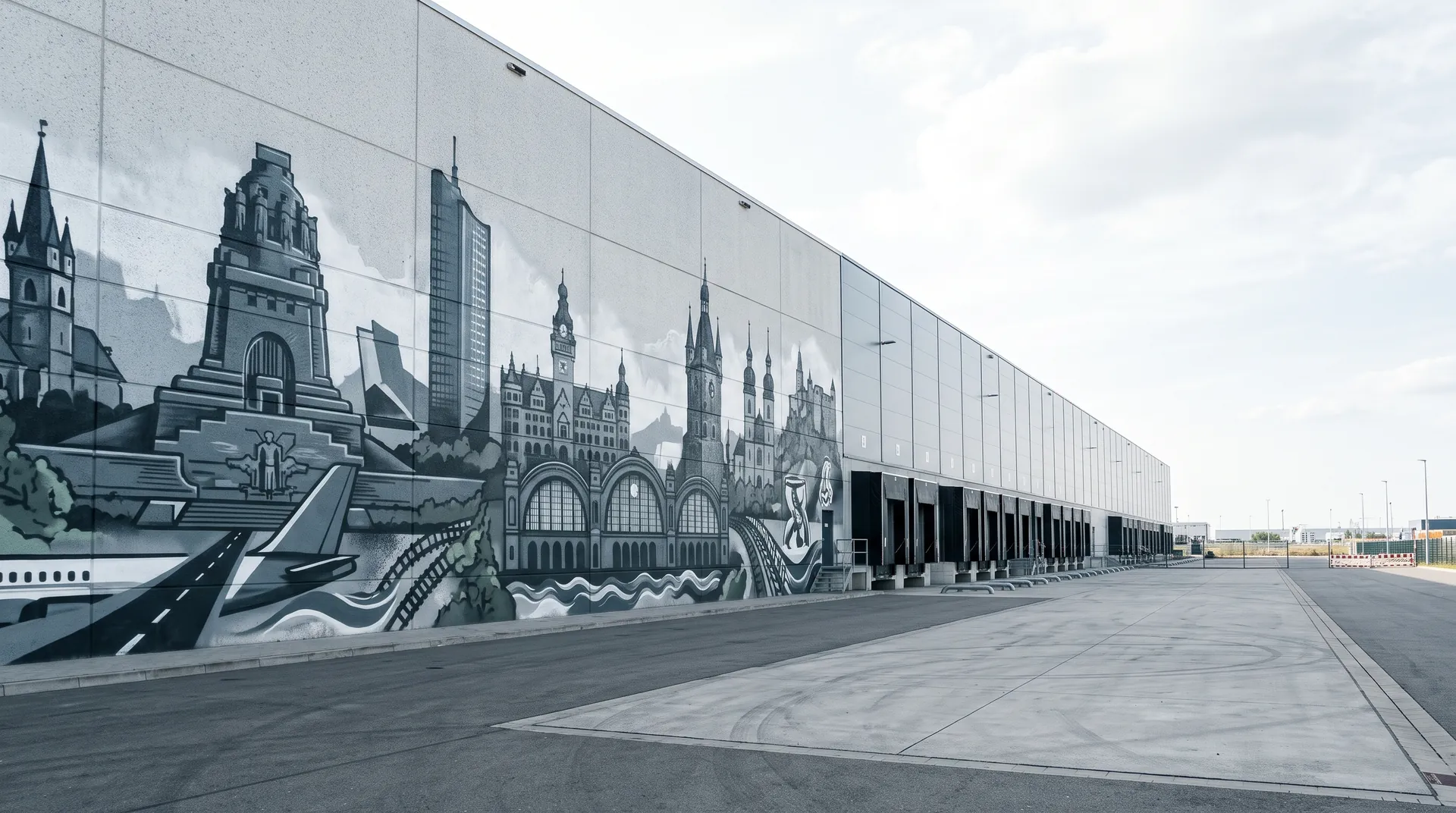 AI-generated
Leipzig/Halle
Leipzig/Halle is the leading logistics location in eastern Germany. The country's second-largest cargo airport, a central position in Central Germany and a strong automotive industry make it a European hub that still offers larger contiguous sites.
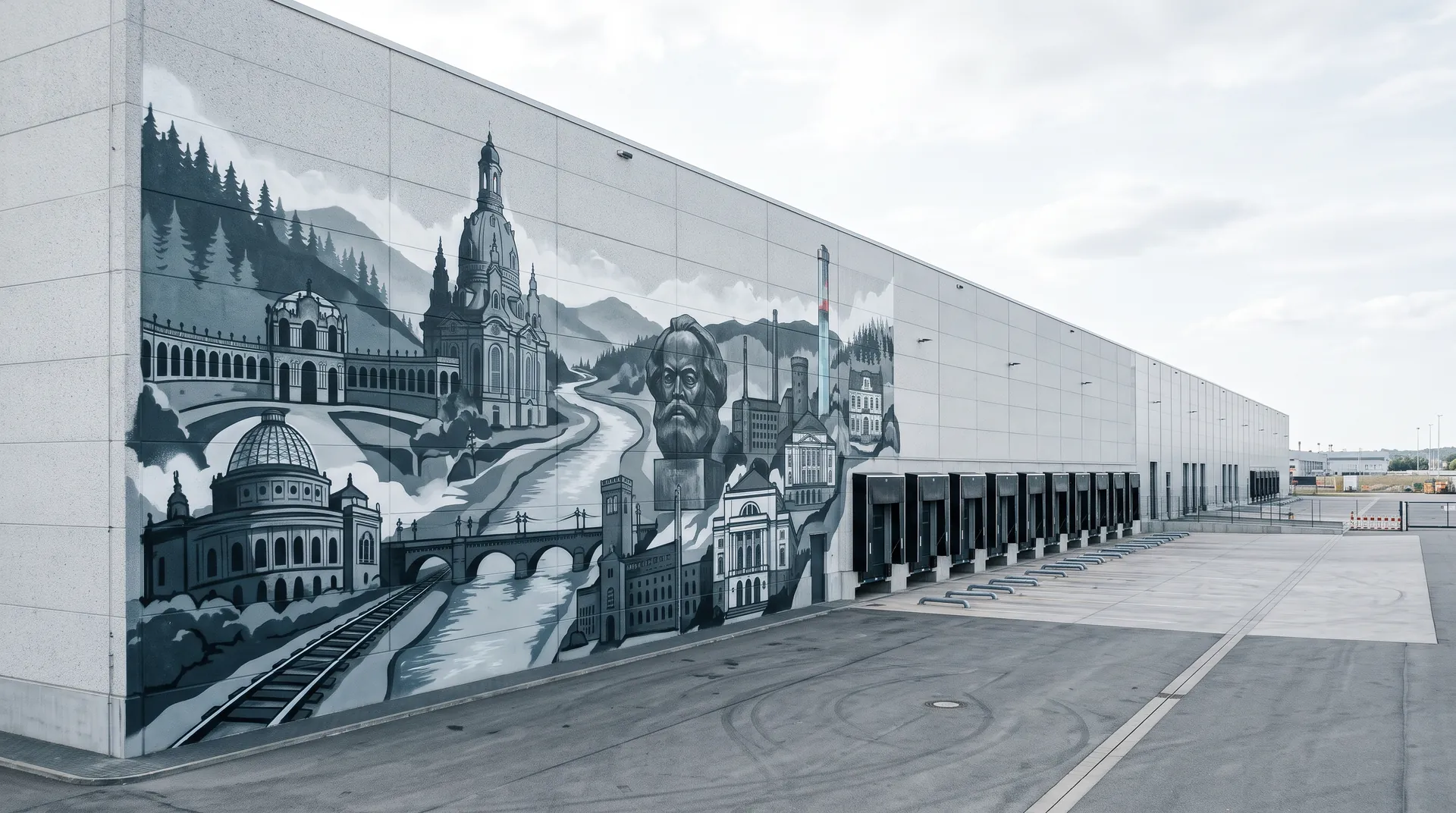 AI-generated
Dresden/Chemnitz
The region stretches from Dresden via Chemnitz to Zwickau and borders Poland and the Czech Republic. Semiconductors, automotive and suppliers and mechanical engineering shape demand, and outside Dresden land and labour are still comparatively available.
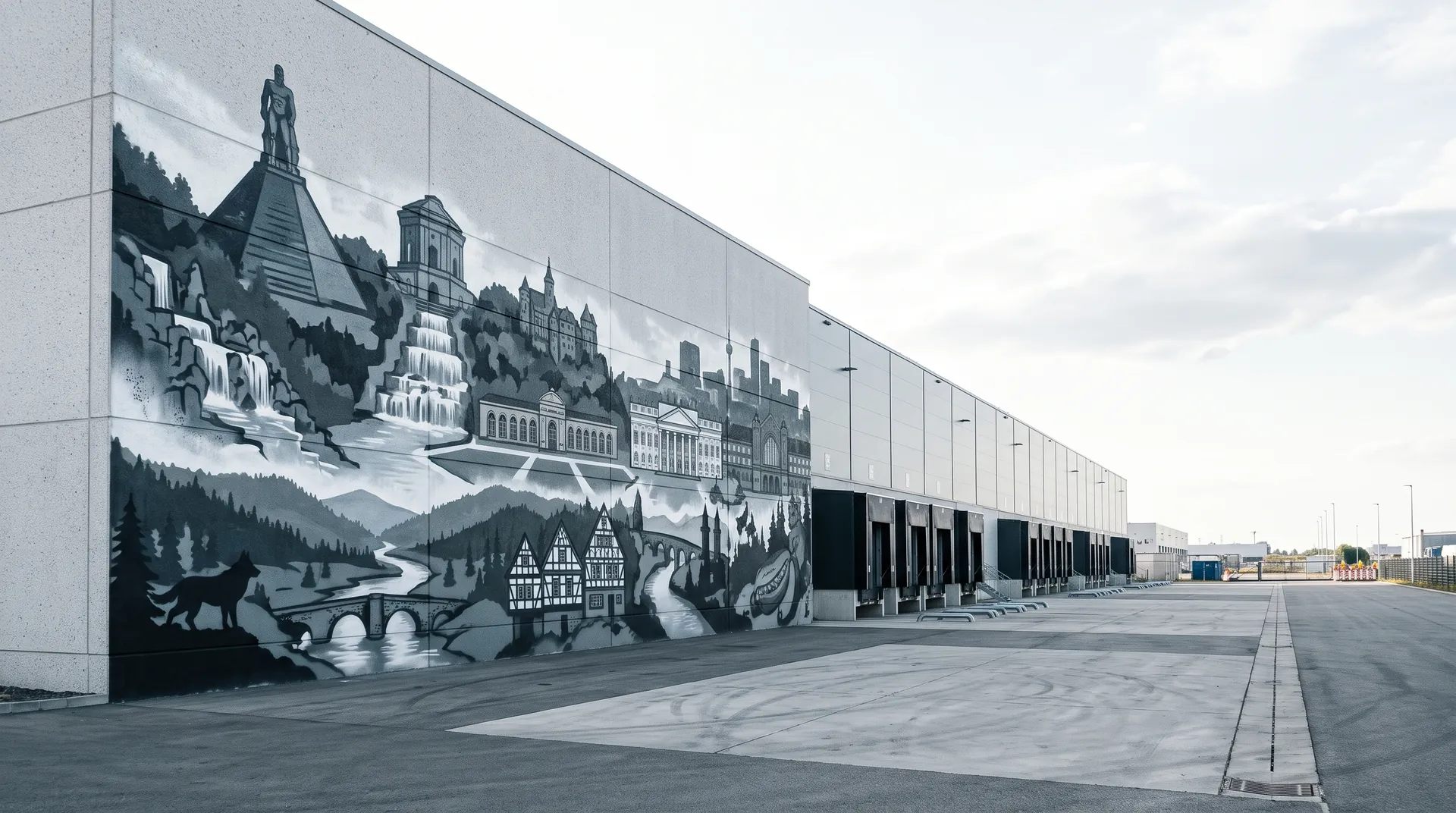 AI-generated
Kassel/North Hesse
North Hesse lies at Germany's geographical centre and is an established location for national distribution centres. Large parts of Germany and neighbouring countries can be reached quickly from here.
 AI-generated
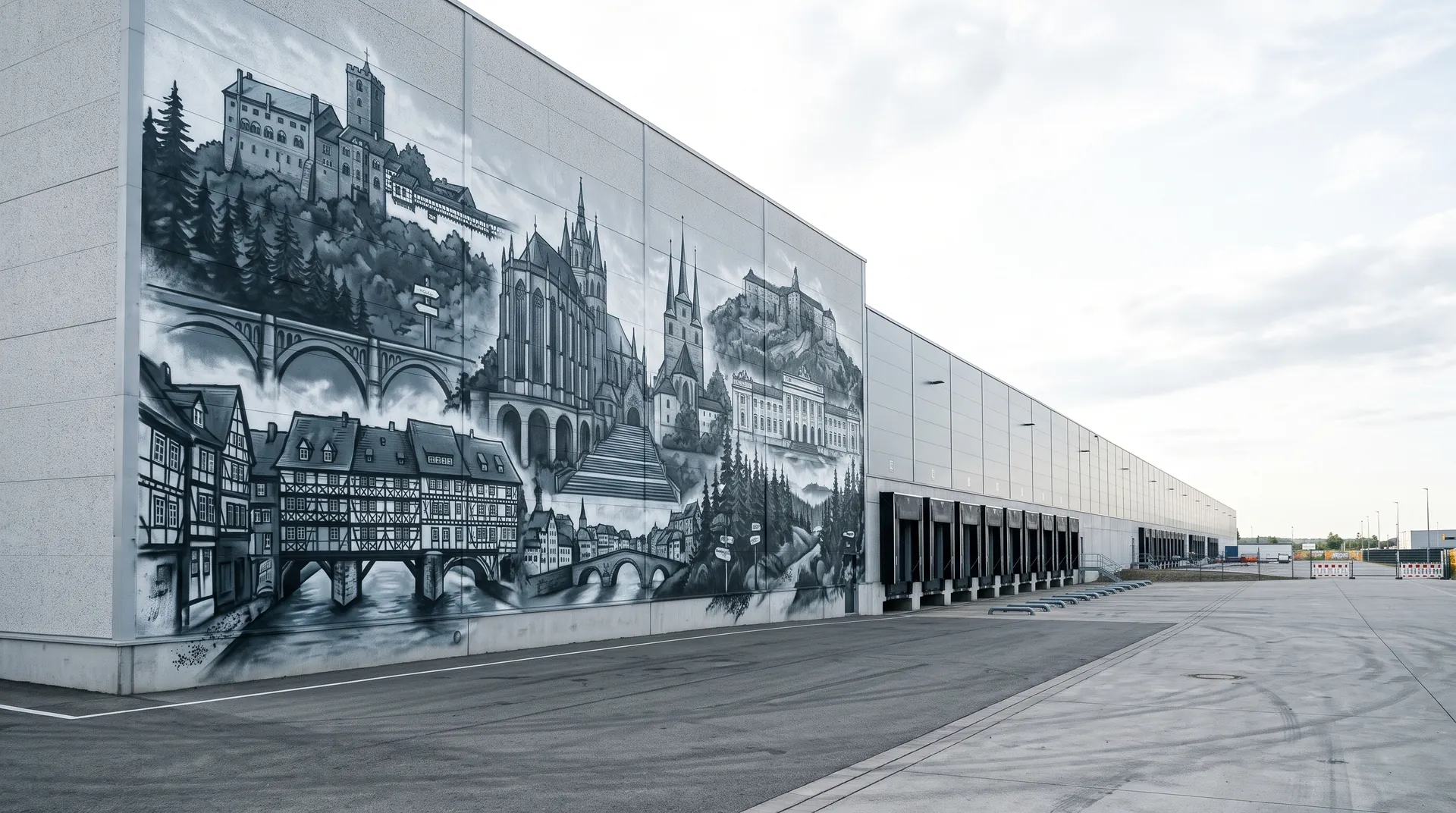
Erfurt/Thuringia
Thuringia lies at Germany's geographical centre. From Erfurt, companies reach large parts of the country within a day, with land available and rents below those of the western German conurbations.
 AI-generated
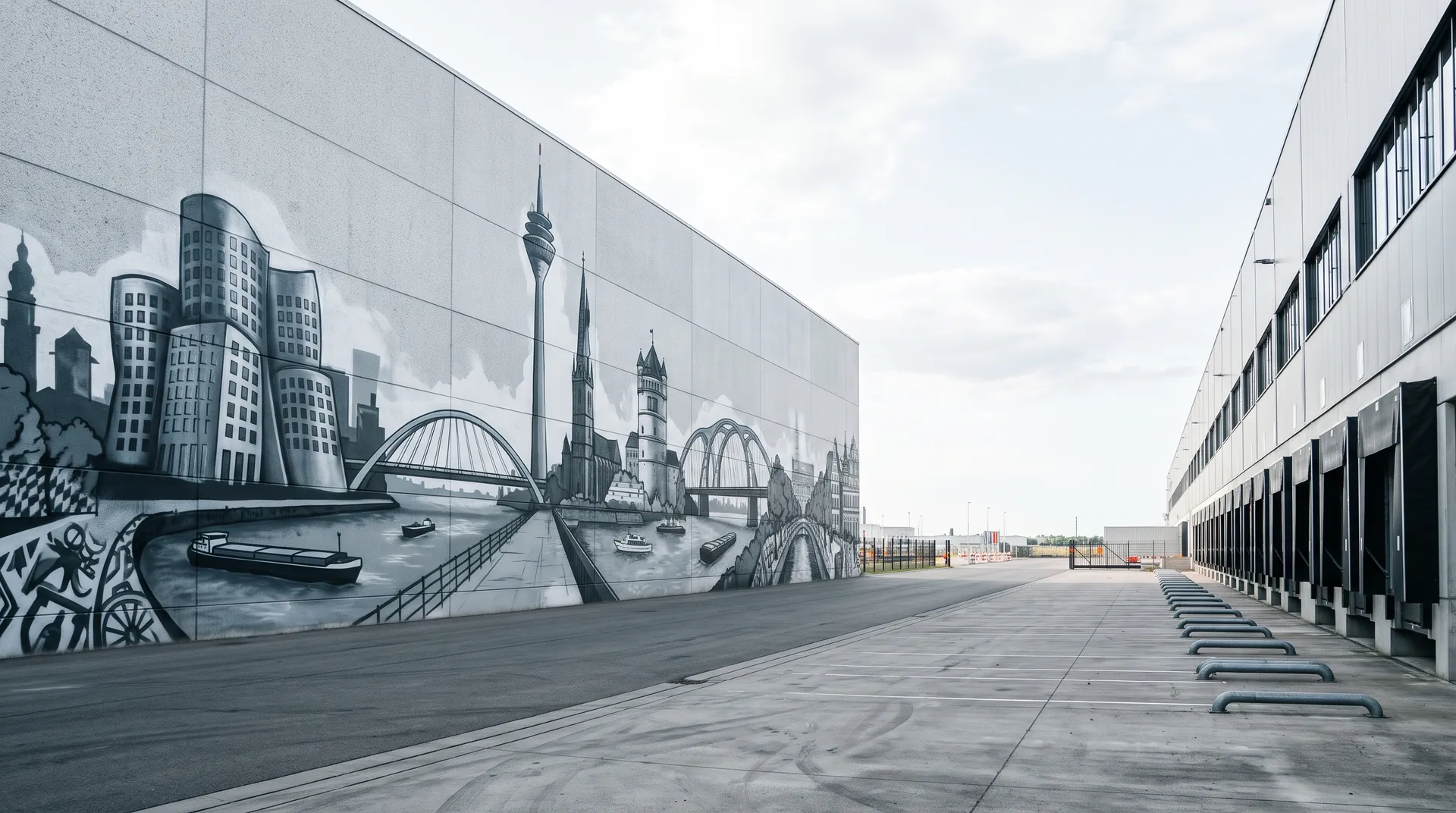
Düsseldorf
Düsseldorf is one of Germany's eight largest logistics markets. Retail, consumer goods and international headquarters meet trimodal infrastructure and proximity to Rotterdam, Antwerp and the Venlo logistics region.
 AI-generated
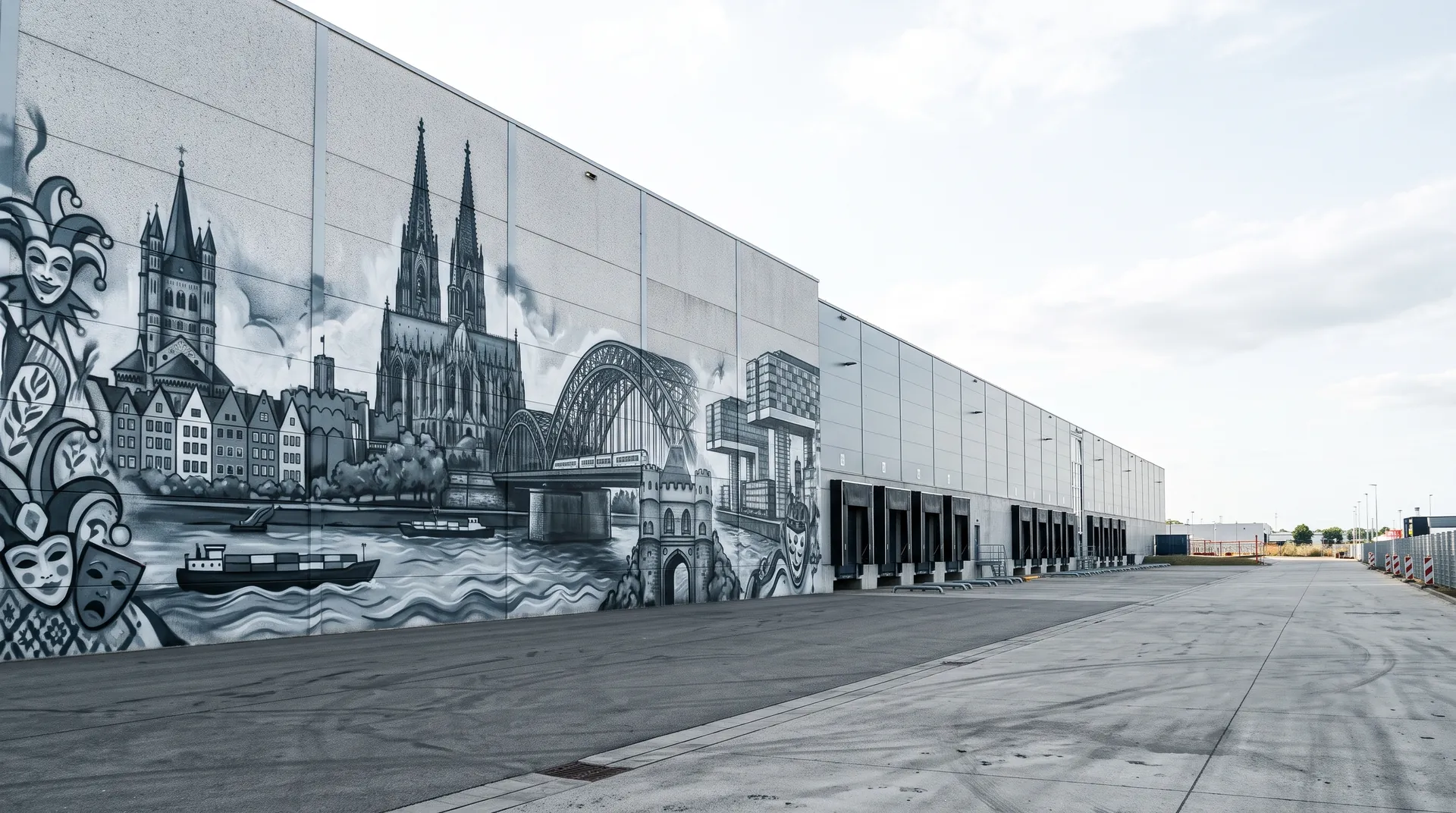
Cologne
Cologne is a junction of road, rail, Rhine shipping and air cargo at the heart of one of Europe's most affluent conurbations. Industry, retail and express logistics create broad demand for modern logistics space.
 AI-generated
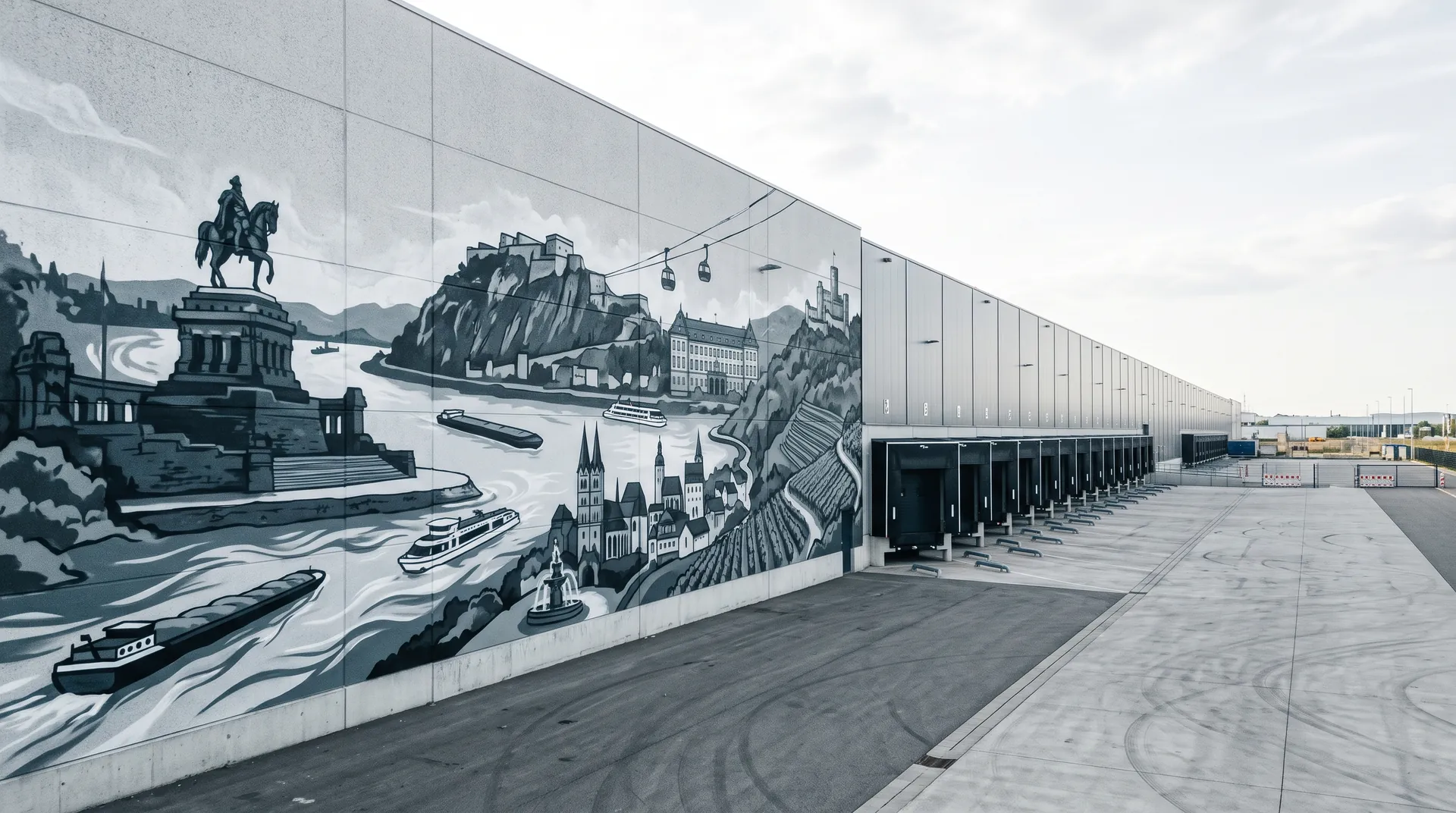
Koblenz
Koblenz lies at the confluence of the Rhine and Moselle between the Rhine-Ruhr and Rhine-Main logistics hubs. The A3, A48 and A61, two trimodal Rhine ports and the GVZ Koblenz freight village make the region a niche location for distribution, food and industry with more room than the neighbouring conurbations.
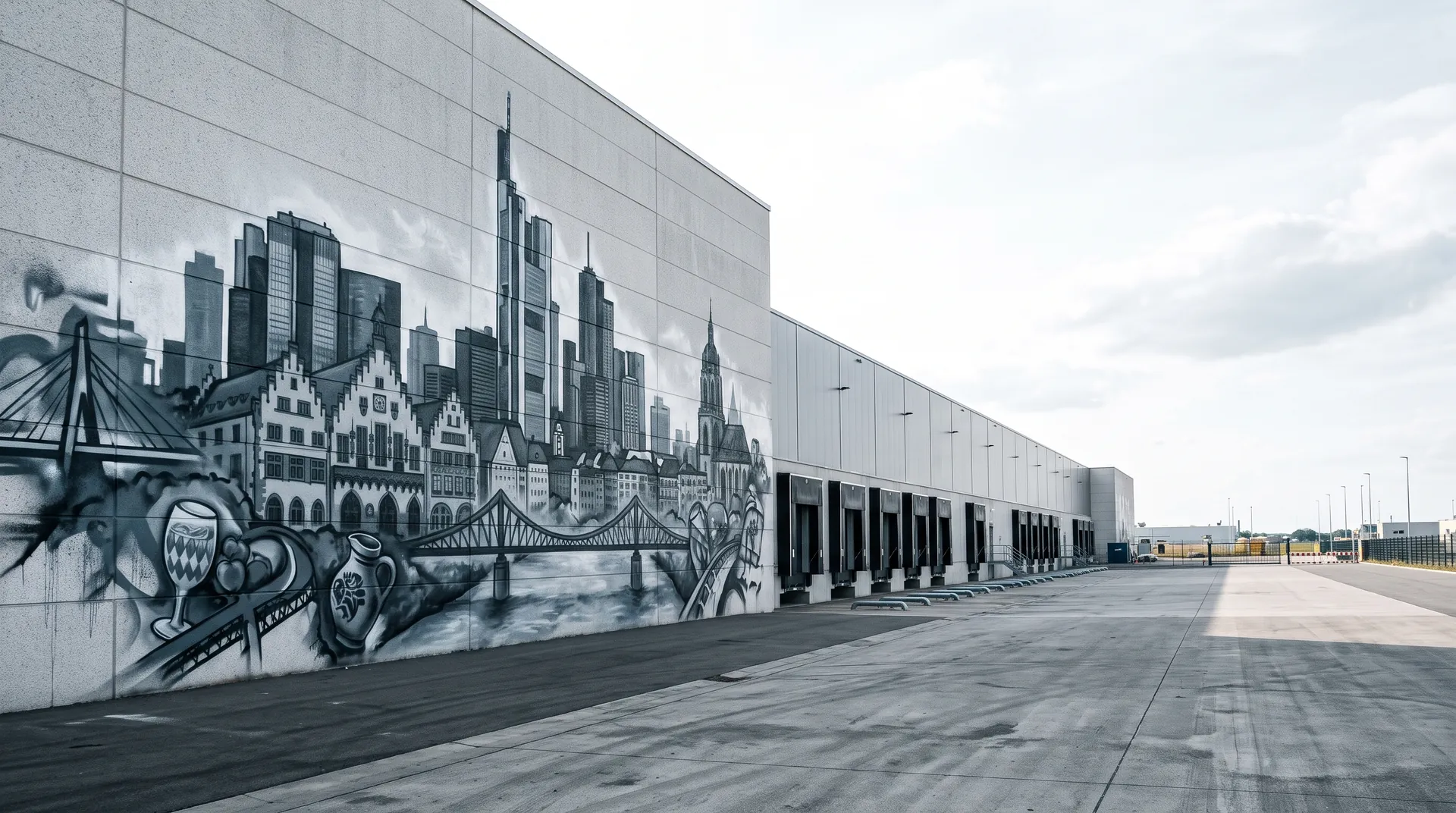 AI-generated
Frankfurt/Rhine-Main
With Germany's largest cargo airport, Rhine-Main is one of Europe's most important logistics locations. A central position, high purchasing power and broad demand from air cargo, industry and retail meet one of the country's most competitive markets for space.
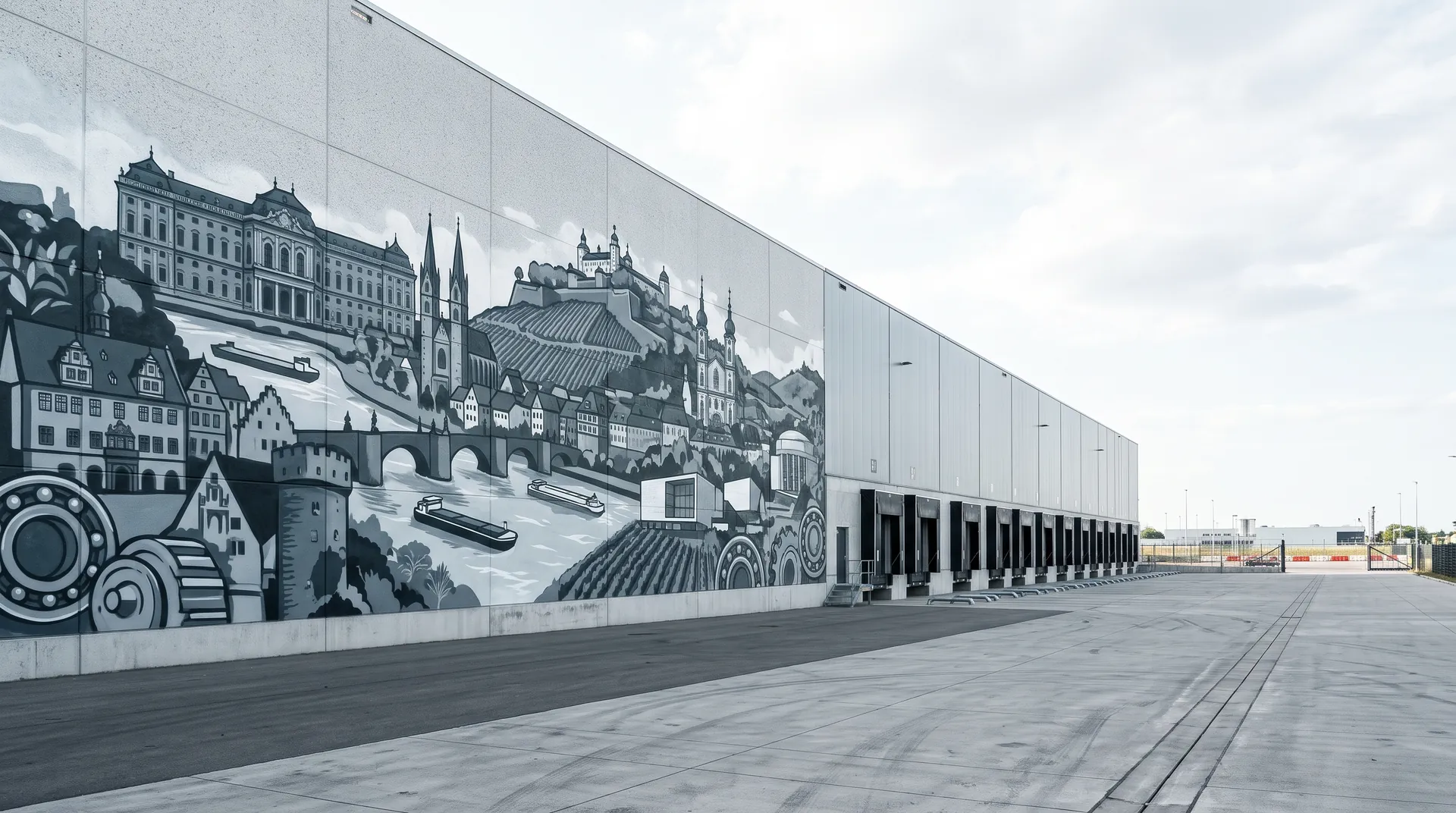 AI-generated
Würzburg/Schweinfurt
Würzburg/Schweinfurt lies in Lower Franconia between Rhine-Main and Nuremberg, where the east-west A3 crosses the north-south A7. Bearings, drive technology and automotive suppliers, food and retail shape the market, while former barracks offer land reserves that the large conurbations lack.
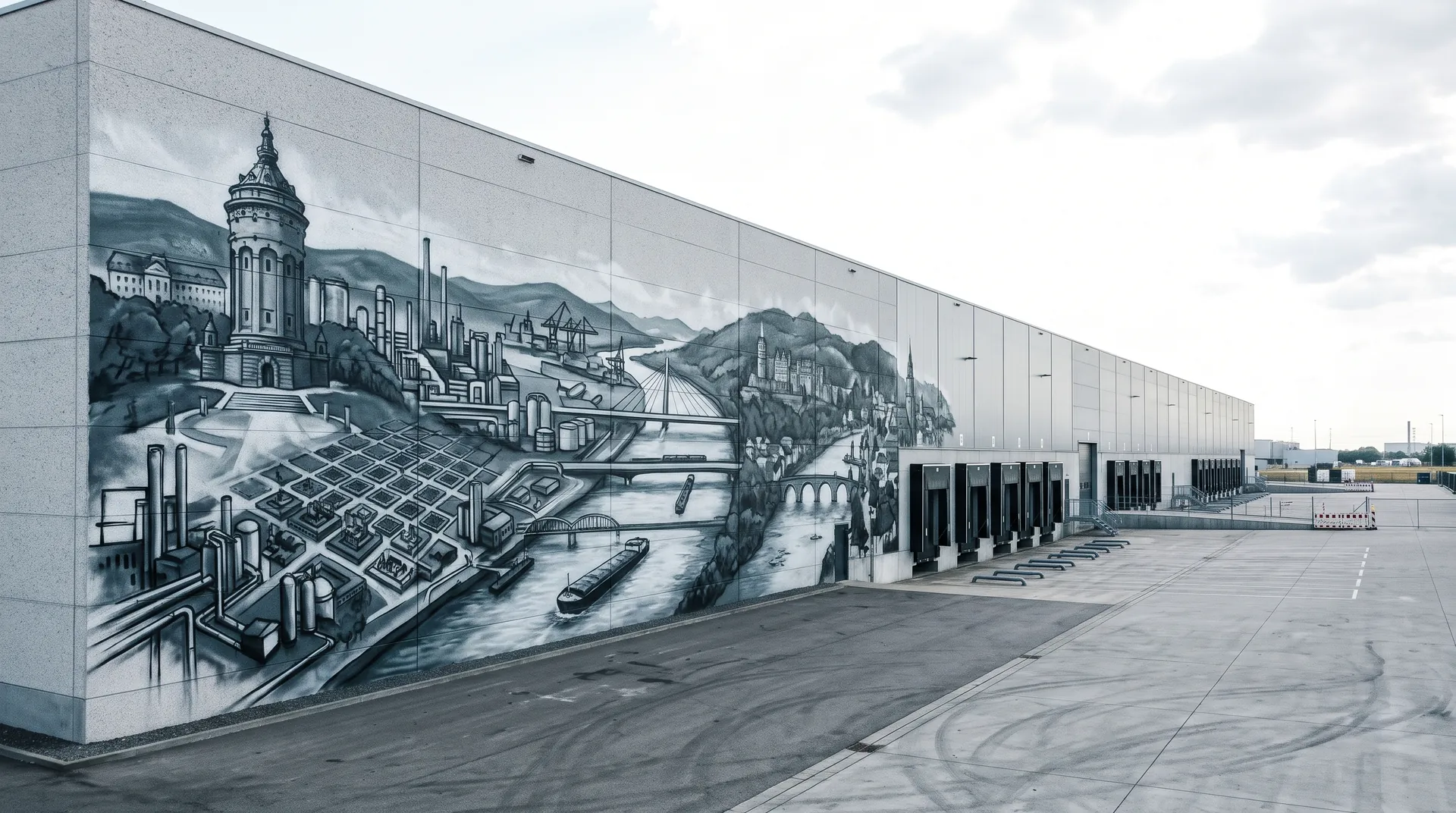 AI-generated
Rhine-Neckar
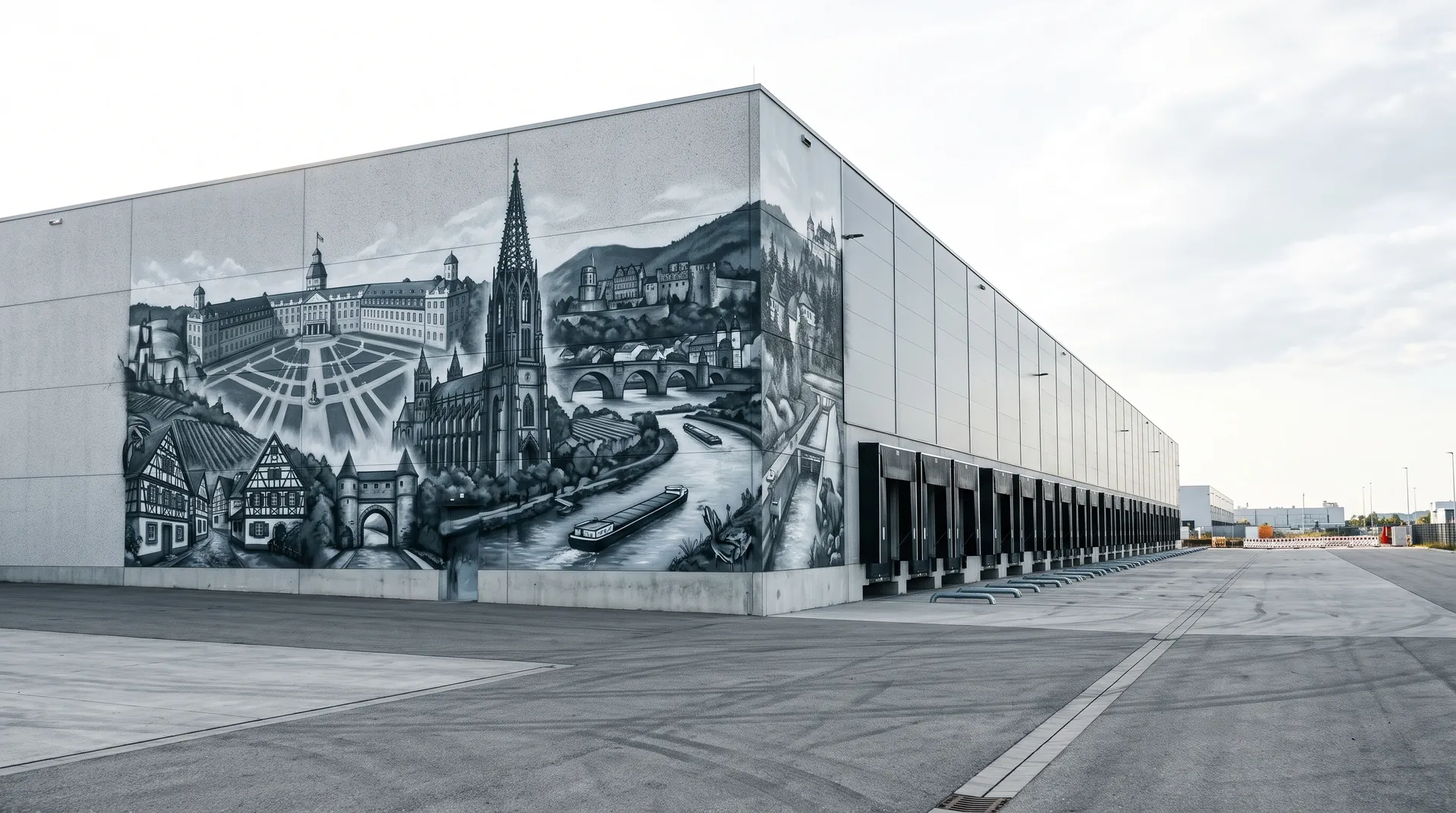
Rhine-Neckar, around Mannheim, Ludwigshafen and Heidelberg, is one of the strongest industrial and logistics locations in south-west Germany. Where Baden-Württemberg, Rhineland-Palatinate and Hesse meet, trimodal infrastructure combines with an exceptionally strong industrial base.
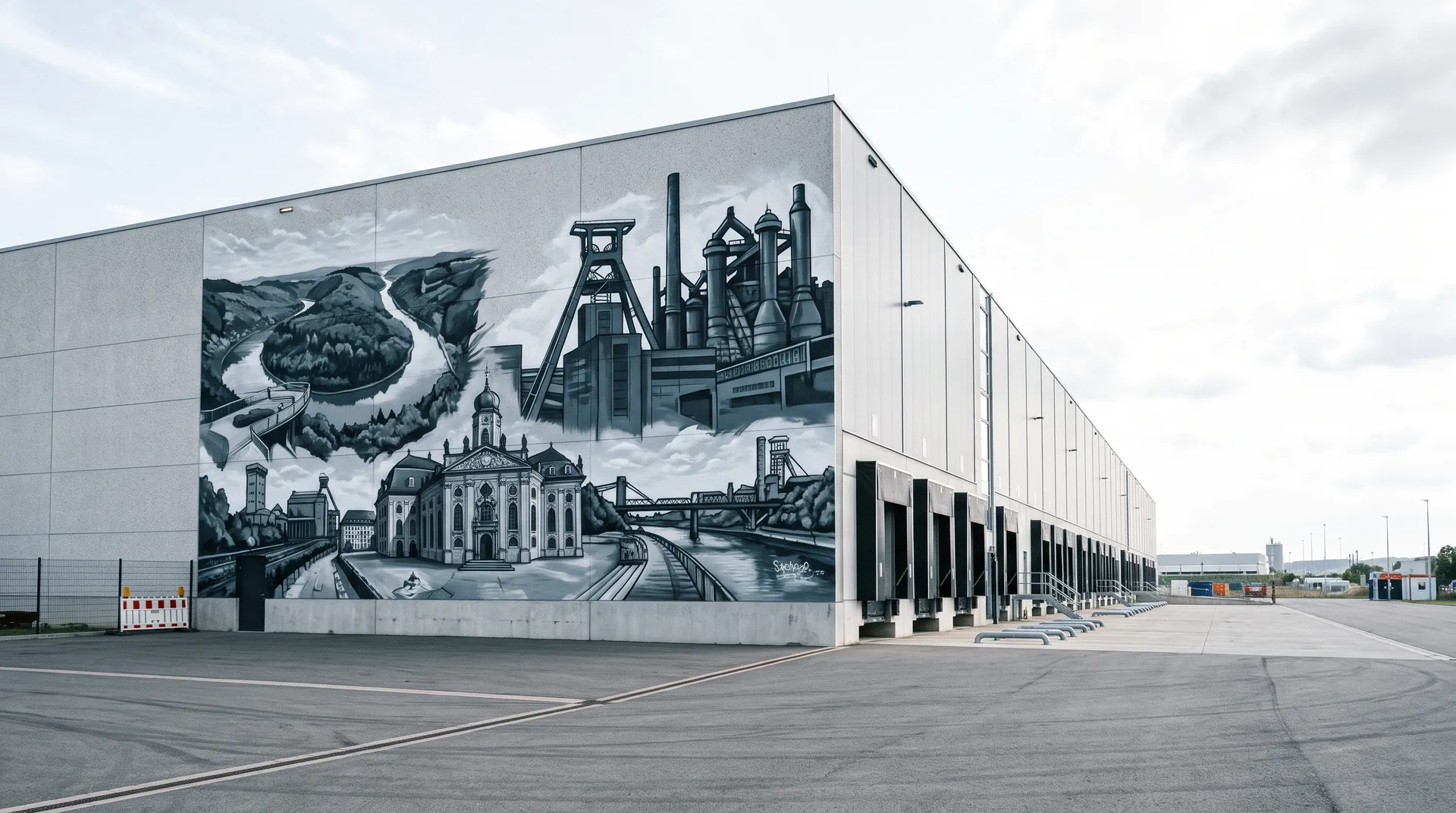 AI-generated
Saarland
Saarland lies at the heart of the Greater Region between Lorraine, Luxembourg and Rhineland-Palatinate. Automotive and suppliers, steel, engineering and cross-border traffic shape the market, while industrial restructuring is opening up new sites and attracting new occupiers.
 AI-generated
Upper Rhine
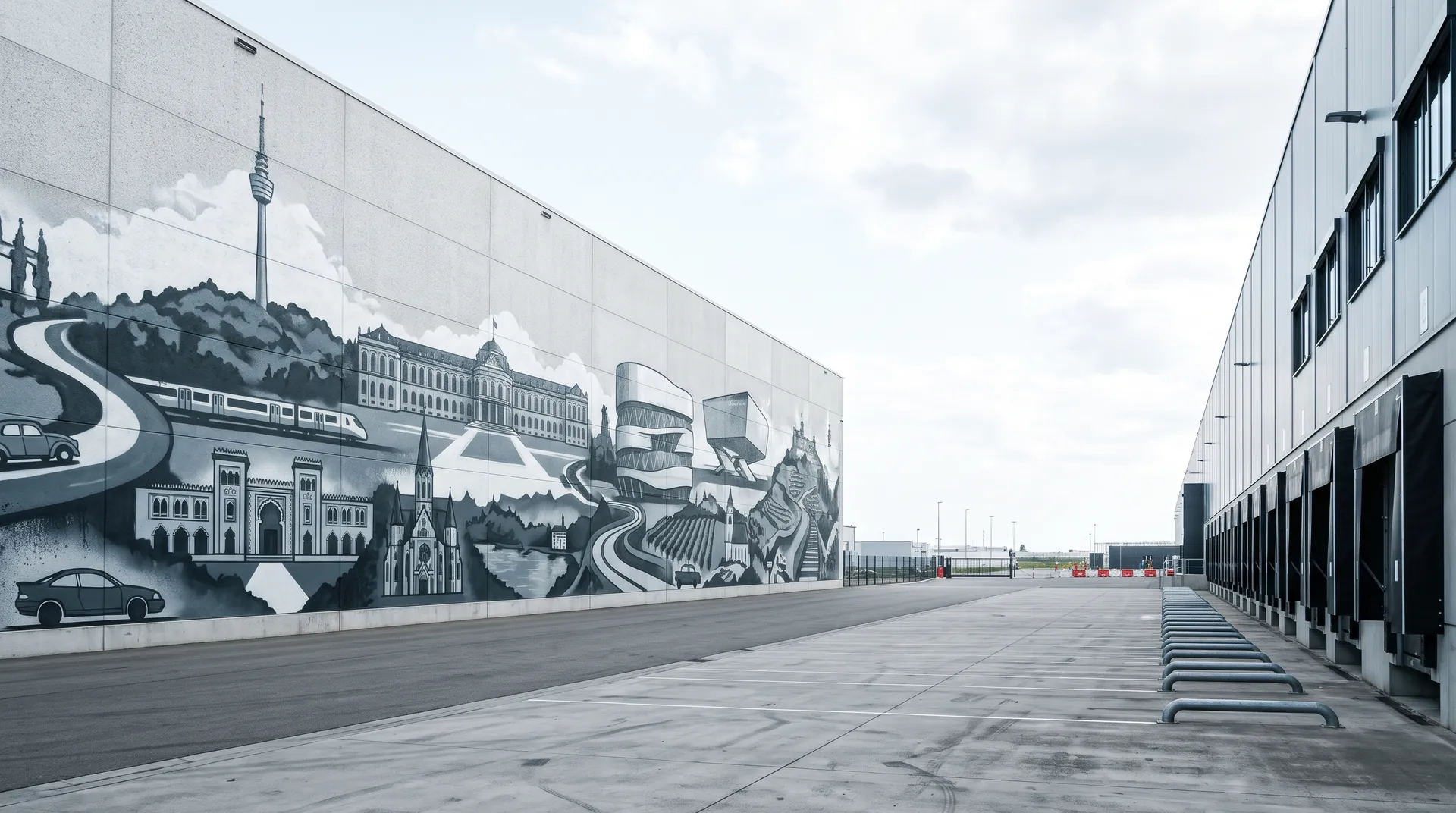
The Upper Rhine runs along the A5 from Karlsruhe via Rastatt and Offenburg to Freiburg and the Swiss border. Vehicle manufacturing, electrical engineering and machinery drive demand, while Rhine ports, the Rhine Valley Railway and proximity to Strasbourg and Basel make the region part of the corridor between Rotterdam and Genoa.
 AI-generated
Stuttgart
Stuttgart is the centre of Germany's automotive and engineering industry and one of the country's tightest logistics markets. Export-led industry and high purchasing power ensure stable demand and high rents.
 AI-generated
Nuremberg
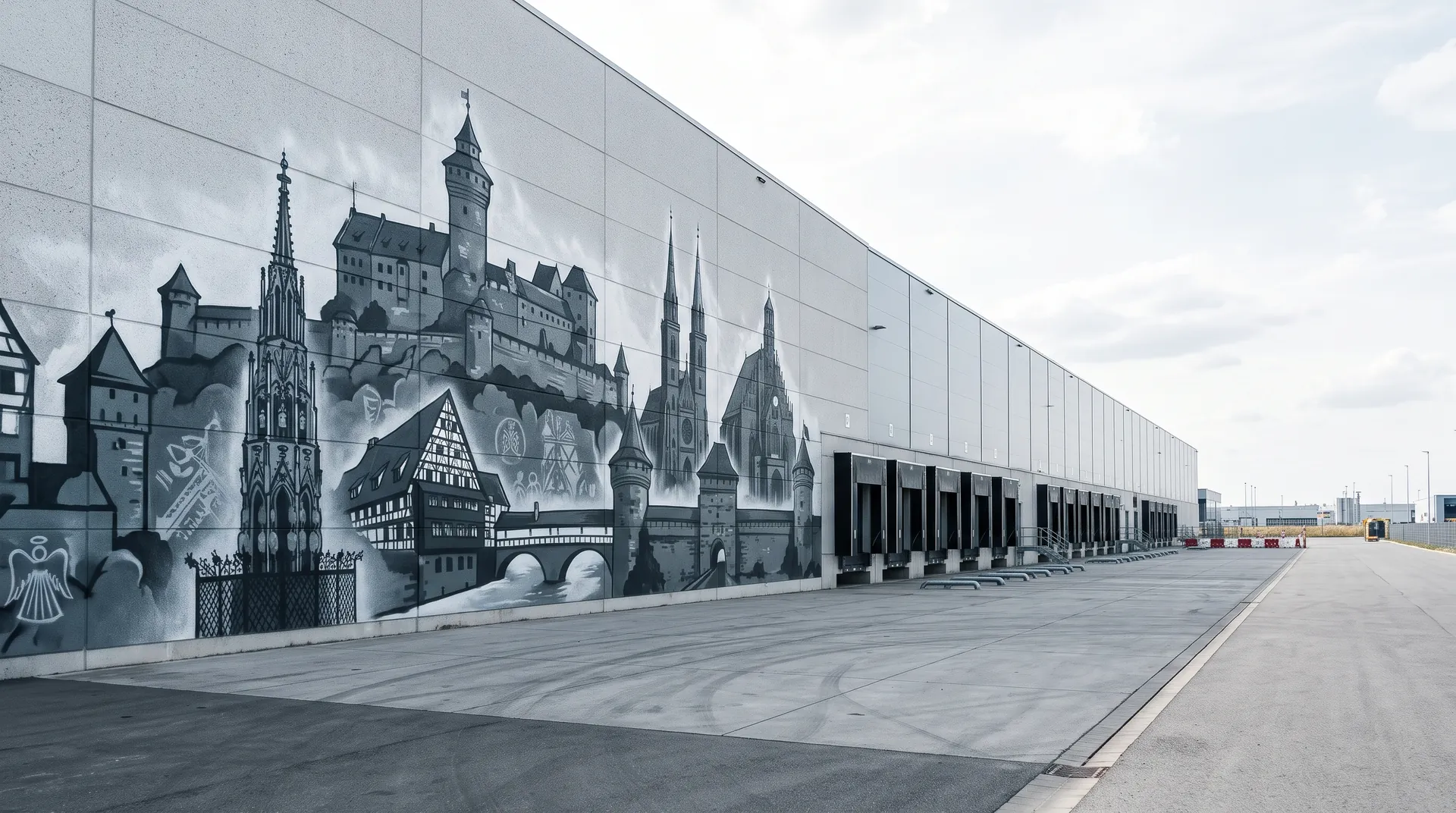
Nuremberg combines a long tradition of trade and mail order with modern trimodal infrastructure and direct access to the Czech Republic and Eastern Europe. Compared with Munich, the region offers much more land potential.
 AI-generated
Danube
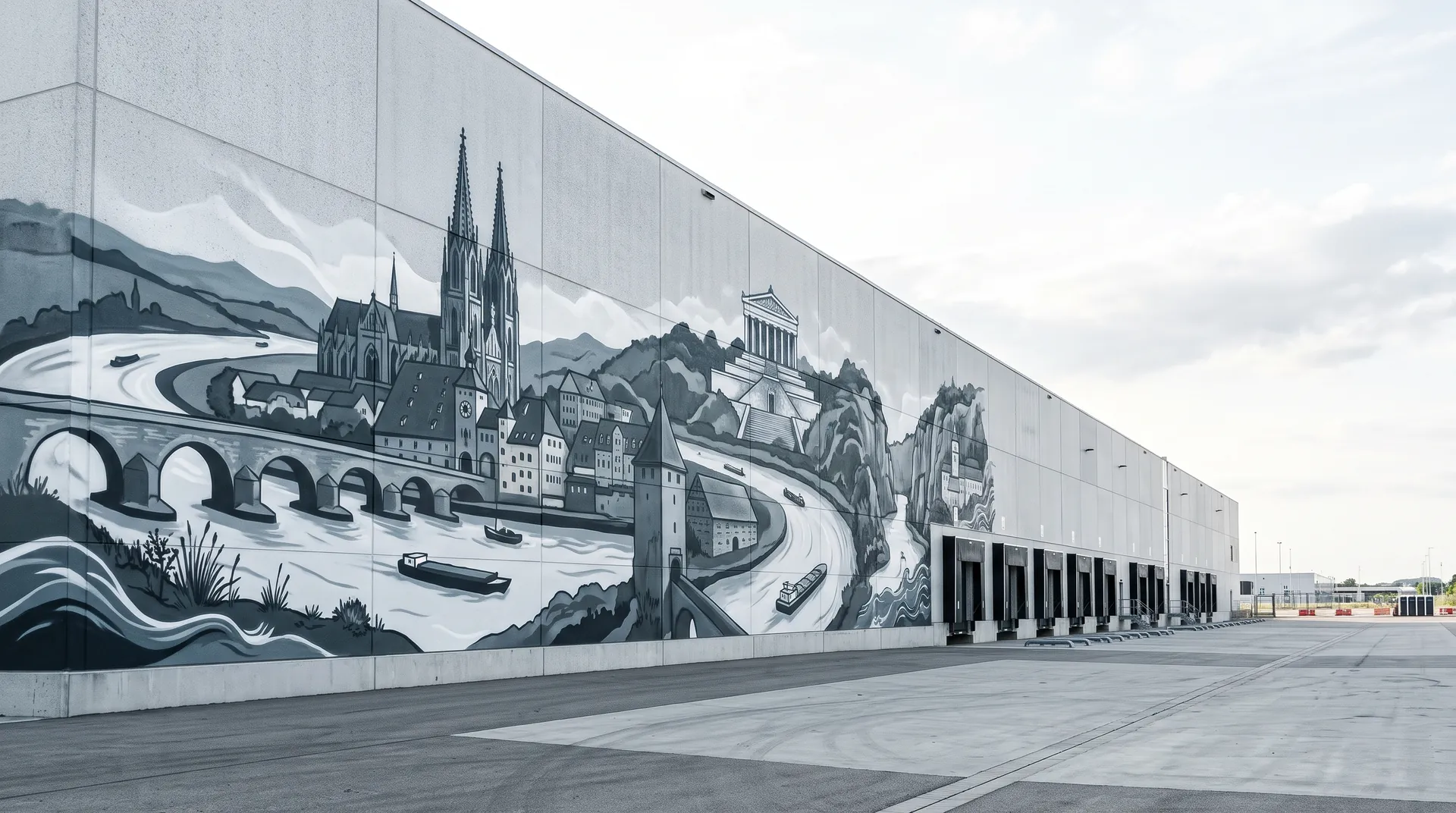
The Danube region follows the river from Ingolstadt via Kelheim and Regensburg to Straubing and Deggendorf and reaches the A92 with Landshut and Dingolfing. The car industry and its suppliers shape the market, while trimodal Danube ports and intermodal terminals link road, rail and waterway as far as south-eastern Europe.
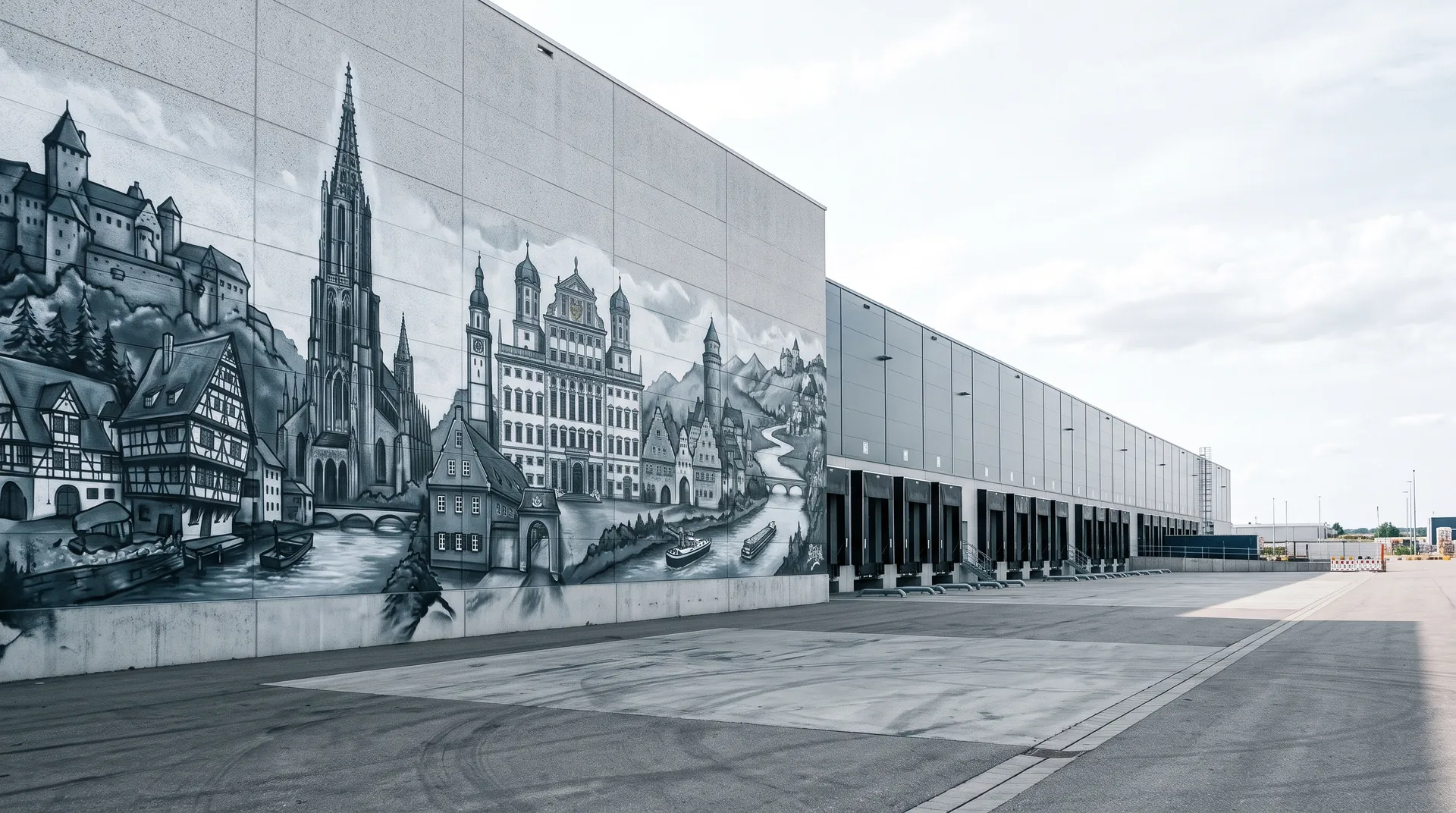 AI-generated
Swabia
Swabia stretches from Augsburg via Günzburg to Ulm/Neu-Ulm and Memmingen, linking the Stuttgart–Munich axis with the north-south A7. Engineering, aerospace, commercial vehicles, pharma and food drive demand, and the region offers considerably more room than the Munich and Stuttgart conurbations.
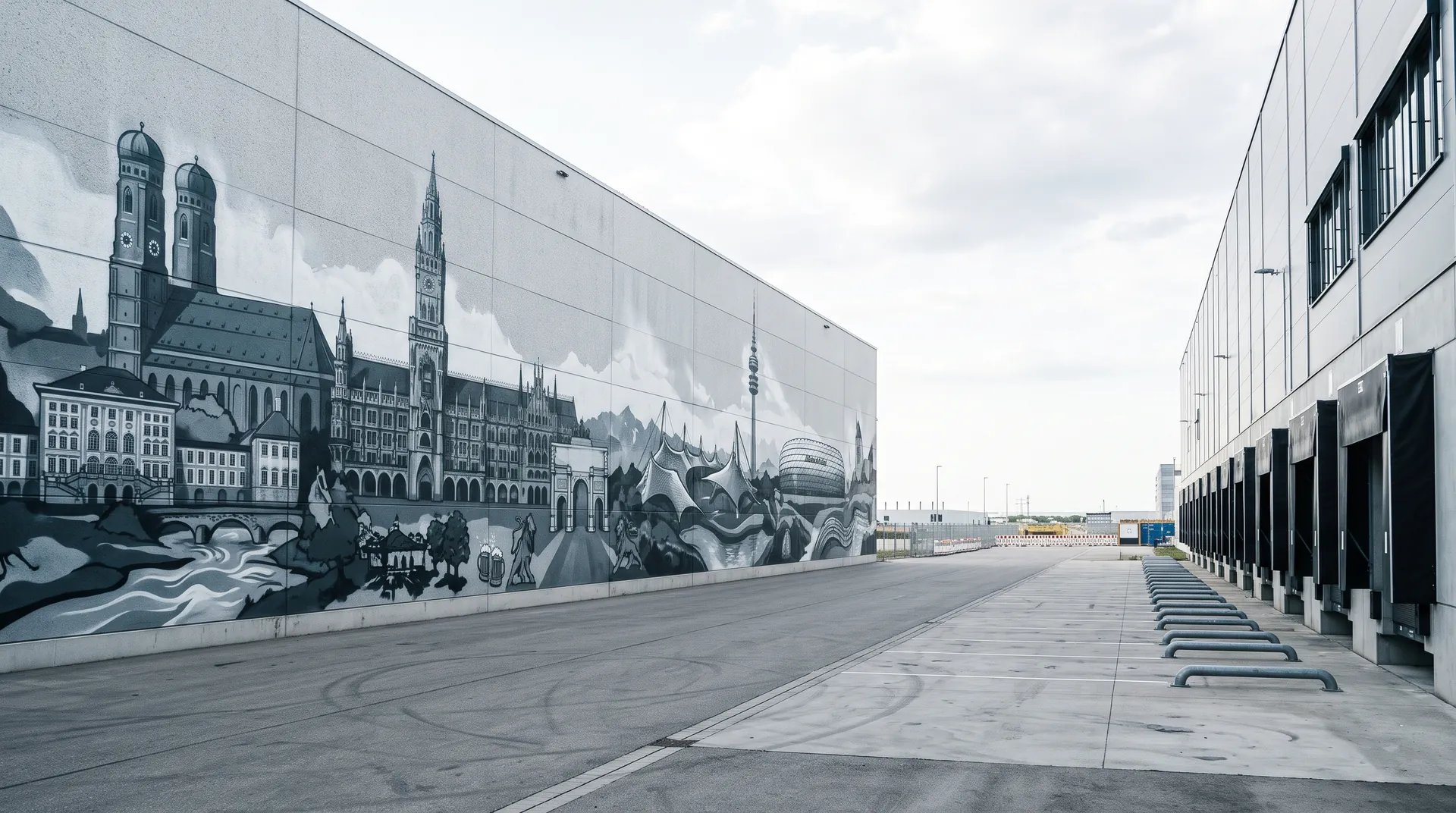 AI-generated
Munich
Munich is one of Germany's most affluent and at the same time tightest logistics markets. Strong demand from industry, retail and high-tech meets new supply that is now built almost only on the periphery. Access to space before it is publicly marketed is decisive.